Awaab’s Law and the people behind every repair

Team clixifix®
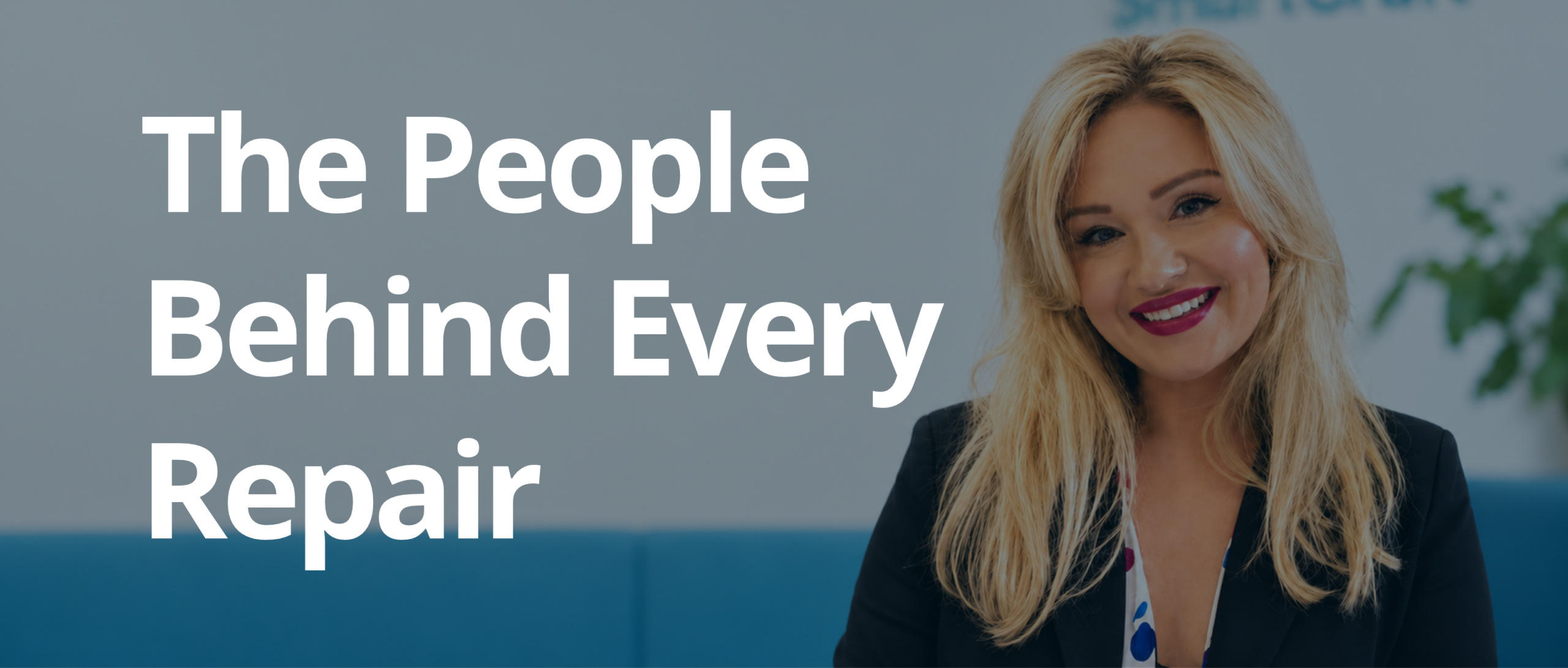
By Lauren, Sales Development Representative at clixifix®
Since joining clixifix®, I’ve spent a lot of time researching and speaking with housing associations about repairs, resident communication and how they make sure things don’t get missed. Attending the SHINE event on 15th October gave me even more to think about.
I’m a landlord myself, renting my property to a young family. I’m also a mum, so I find it hard to think about housing without thinking about the people living in it. It’s where children go to bed, families spend their evenings and people should feel safe.
That’s why Awaab’s Law has stayed with me. Named in memory of two-year-old Awaab Ishak, who died following prolonged exposure to mould in his home, it places requirements on social landlords in England to investigate and address certain hazards within set timescales.
Looking after one property is very different from managing thousands. But somebody is trusting you with their home in both cases.
What the SHINE discussion brought home
One discussion at SHINE focused on a very practical challenge: what happens when a resident reports something, but the team doesn’t yet know how serious it is?
Someone might say their home is too cold. Another might describe overheating, mould or condensation. They’re describing what living there feels like. It’s then down to the housing provider to ask the right questions, understand the circumstances and decide what action is needed.
The Phase 2 expansion of Awaab’s Law, effective from 30th November 2026, brings additional significant hazards into scope, including excess cold and excess heat. That makes the discussion particularly relevant, but the underlying challenge will continue beyond that date. Receiving a report creates work. Somebody needs to assess it, arrange the right response and keep track of what happens. Teams need enough information and resources to do that properly.
Keeping the full picture together
The conversation also touched on information arriving through different channels. A resident might explain something on a call, send a message later and tell a contractor something else during a visit.
If those details stay in separate places, it becomes harder to see the full picture. That matters when deciding how urgent something is, particularly when the resident’s health or circumstances could affect the risk.
And once an issue has been assessed, the next steps need to be clear. Who owns it? Has a contractor accepted the job? Is anything holding it up? Has the resident been told what will happen next?
Those are everyday questions for housing teams. For the person waiting at home, the answers can make a huge difference. Having to explain the same problem repeatedly or chase for an update adds frustration to an already worrying situation.
Trust was a big part of that conversation too. We discussed real-life situations where residents’ anxiety was linked to a lack of confidence that their housing association would resolve the problem. How can someone feel reassured if they don’t trust that anything will happen after they report an issue?
We talked about how to tackle that. Clear updates, being honest about delays and doing what you’ve said you’ll do all help to build trust. Residents need to know who is taking responsibility and what happens next, then see that followed through. Over time, those everyday experiences can give people more confidence that they’ll be listened to and their concerns acted on.
Where AI and technology can help
AI was another big topic at SHINE. I can see the value in tools that help teams pick out important details from lengthy conversations or flag information that needs a closer look. Used carefully, that could help staff recognise concerns earlier.
The responsibility for assessing the risk and deciding what to do still needs human judgement. Technology needs to give people useful information and support their decisions, with clear responsibility for following through.
That’s where I see the value of clixifix®. Our defect and repair resolution software helps housing providers bring case information and communication together, coordinate with contractors and follow progress through to resolution. Giving teams a clearer view of what is happening helps them spend less time piecing together updates and more time moving an issue forward.
For me, SHINE reinforced how closely the process and the resident’s experience are connected. Clear records help teams understand what has happened. Clear ownership helps work move forward. Regular updates help residents know they’ve been heard.
Awaab’s Law gives those responsibilities a legal framework. The reason for getting them right is there in every home: somebody waiting for a problem to be taken seriously and put right.
Government guidance
Awaab’s Law Phase 2: Guidance for social landlords, GOV.UK (updated 31st July 2026).
https://www.gov.uk/government/publications/awaabs-law-phase-2-guidance-for-social-housing-landlords