Sustainable construction is the way in which we can reduce the industry’s impact on the environment.
Sustainability is a widely talked about subject in many professional workplaces, as well as in our day-to-day lives, but in the construction industry in particular, it is an increasingly hot topic.
With growing concerns surrounding climate change and how we can act now to help save our future, there has never been a better time for businesses to focus on sustainable construction, what it is, why it is important and how we can ensure we are doing it correctly.
In order to reduce our environmental impact, we must: protect the natural environment, reduce energy consumption, minimise waste by using recyclable resources, use renewable energy and create a healthy, sustainable working environment.
It’s no secret that the construction industry uses a huge number of materials and resources in any one project on a daily basis. And with constant urbanisation across the UK and the world, the industry is a key player in reducing emissions by minimising an organisation’s impact on the environment.
A construction company’s environmental impact can be caused by everything from heavy machinery and energy use, to the use of fossil fuels, building on wild habitats, shipping materials and hazardous waste.
Why is sustainable construction important?
The construction industry is making a profound impact on the natural environment. In order to combat climate change by reducing carbon emissions and pollution, the industry must pull together to ensure sustainable building practices are being followed throughout the construction process.
Processes created with sustainability at the forefront must be in place throughout the life-cycle of the project, from planning to completion.
Sustainable practice can help minimise waste, conserve energy and save money.
What can we do to ensure construction is sustainable?
As businesses or individuals, we should put great consideration into the environmental impact of decisions we make. For example, when looking for a contractor, we should always check to see that they use green practices in construction.
In order to ensure we are leaving the smallest environmental footprint possible, we must utilise sustainable resources where possible, as well as being mindful of hazardous waste and reducing supply lines.
Managing the resolution of defects effectively is crucial to a ‘get it right first time’ approach. By improving communication between all stakeholders and using tools to track the progress of reported issues, defects can be resolved quicker and repeat visits can be avoided, thereby reducing the carbon footprint.
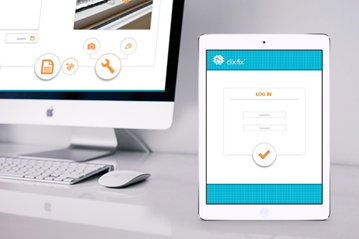
Making the switch to manage aftercare via a digital platform can also play a big part in promoting sustainable construction. Using a platform where you are able to store online all the resources traditionally found on paper, i.e. quality control checklists and homeowner welcome packs, will significantly reduce unnecessary paper wastage.
Sustainable construction will reduce an organisation’s impact on the environment, which will therefore help to build a sustainable future both in the industry and as a whole.
There is an instant need for action, and sustainable construction is a key player in making a difference to our environment.
Contact us:
clixifix®’s award winning defect and repair resolution software reduces time spent on administration, delivers lower costs and higher customer satisfaction.
Designed to be simple to use, powerful in production, and endlessly scalable. Once implemented, you can get going straight away. Instantly begin creating tickets, delegating jobs and collaborating with stakeholders. Store resources for your clients and new residents online, to make them easily accessible to all.
By Cam, Product Manager at clixifix® The housing sector isn’t short of AI hype. Every proptech pitch deck promises to “revolutionise” something. But when your team is managing hundreds of open defects across multiple sites, the last thing you need is technology that adds complexity without earning its place. At clixifix, we’re taking a […]
From housing developments to care homes, Avari wanted a smarter and more consistent approach to aftercare. With a growing portfolio spanning residential, commercial and partnership projects, Avari Homes recognised the need for a platform that could bring every development and aftercare process into one place. By moving away from spreadsheets, emails and manual defect tracking, […]
By Abby, Customer Success Manager at clixifix® When I speak to customer care teams, I often hear the same challenges come up. Defects are being managed across emails, spreadsheets and phone calls. Updates are sitting in different places. Contractors need chasing. Residents want to know what is happening. Internal teams need clear information, but pulling […]